About this event
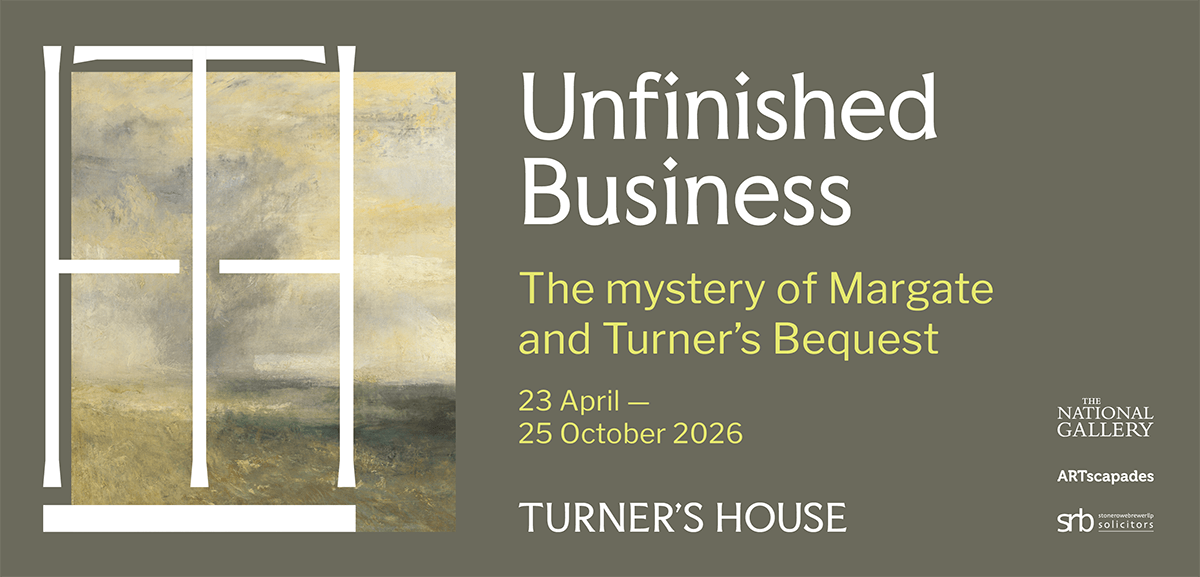
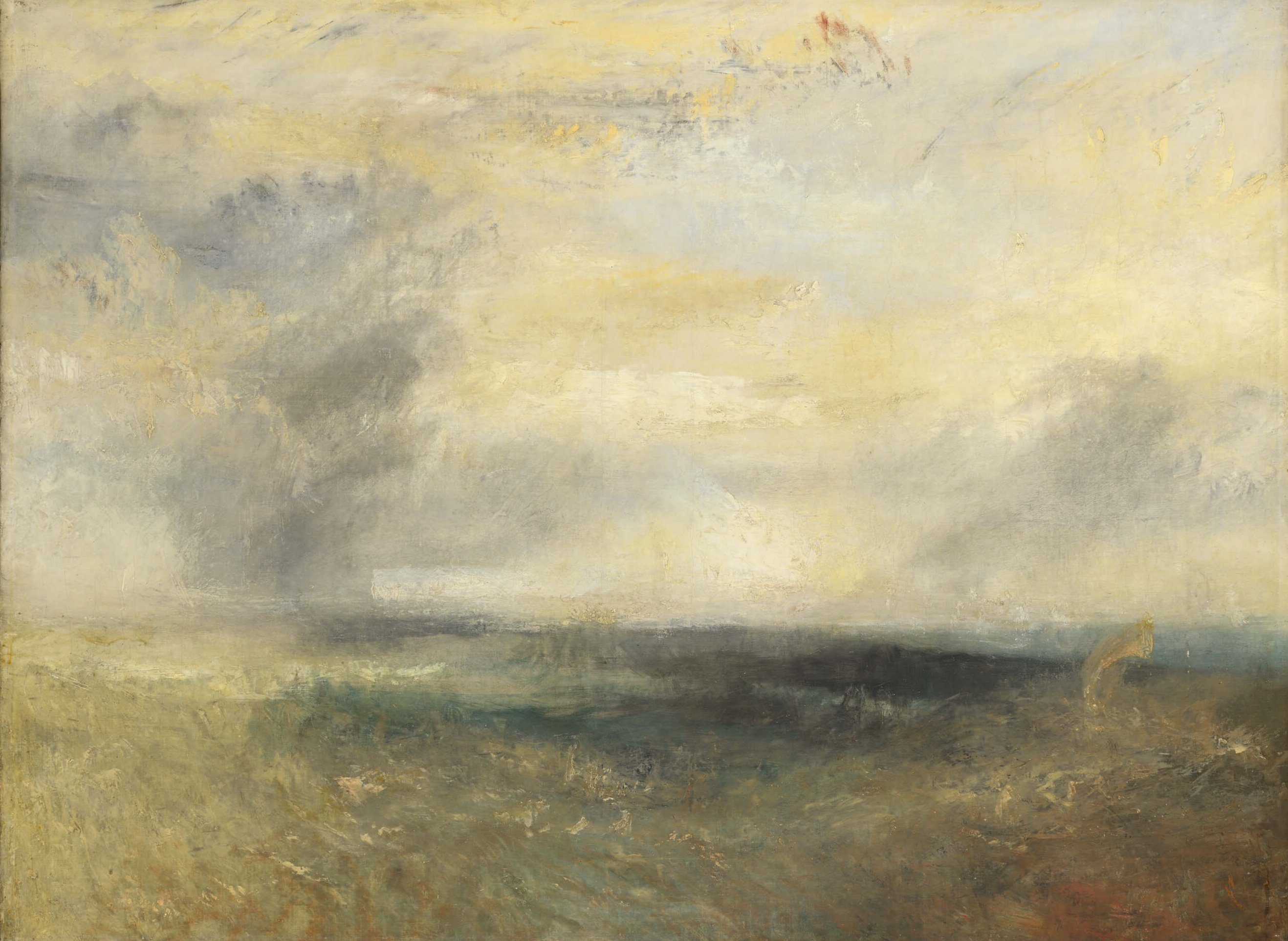
This fascinating exhibition explores the history of J.M.W. Turner’s painting Margate(?), from the Sea (1835–40), and explains the complex legacy of his will and the large body of work known as the Turner Bequest.
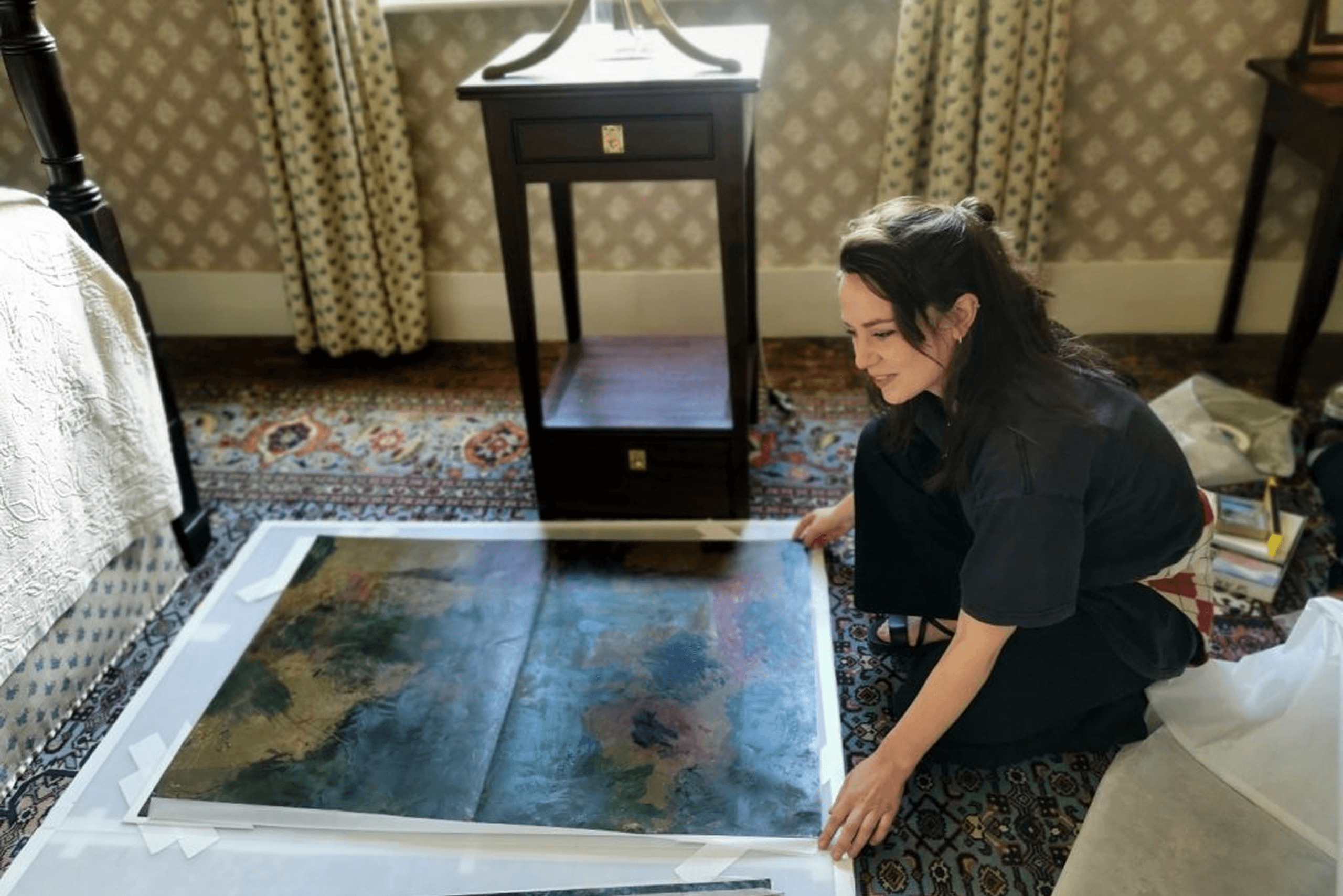
On loan from the National Gallery, London, Margate (?), from the Sea, one of his later works from circa 1835-1840, will be the focus of an exhibition that uncovers the complex and fascinating story of the Turner Bequest, and reveal how attitudes to Turner’s work changed across the centuries.
Curated by Alan Crookham, the National Gallery’s Chief Librarian and Archivist, the exhibition is the first partnership with the organisation and Turner’s House.
The painting was left to the nation as part of the Turner Bequest, a complicated and muddled bequest resulting from various iterations of Turner’s will across the decades. The artist had chosen to bequeath a large number of his paintings to the National Gallery, including Dido building Carthage and Sun Rising through Vapour in his will. These two paintings came with the condition that they should be displayed alongside Claude’s Landscape paintings. However, after some of Turner’s cousins contested his will, a tortuous lawsuit followed. The settlement that was eventually reached, resulted in a much larger gift of works of art to the nation.
Nearly 300 oil paintings and over 30,000 sketches and watercolours, including 300 sketchbooks, which Turner had stockpiled in his house in Marylebone, comprised the largest ever donation of works of art to the nation (most of which are now housed at the Tate Britain). The exhibition includes a copy of Turner’s will as well as fascinating original documents and letters selected from the National Gallery archive that provide rich context about the story of this outstanding bequest to the nation.
The Turner Bequest included a large group of paintings that Turner had never exhibited and were deemed unfinished. This included Margate (?), from the Sea. Those paintings were judged during the 19th century as unfit for display. Along with many other works of a similar nature, it was left uncatalogued, without a title and remained hidden away for over 50 years. It wasn’t until 1905 that the picture was reassessed and accessioned into the national collection.
In 1906, the picture, along with other paintings languishing in storage, was at last displayed to the public in a ground-breaking exhibition of Turner’s ‘unknown’ work. The show caused a sensation and was a turning point in the artist’s reputation. In the light of the recent artistic developments, particularly Impressionism, the atmospheric depiction of mist and cloud in Margate was no longer dismissed as a lack of finish, but seen as Turner’s pre-emptive ‘modernity’, anticipating the work of painters such as Claude Monet.
The exhibition also includes some pictures showing how artists learned from Turner – two works by Henry Tidmarsh and one by Bertha Mary Garnett. The National Gallery permitted copying of its pictures, and the Turner galleries were particularly popular with copyists, often women who had limited opportunities for formal art education.
Garnett’s painting depicts one of the Turner galleries in 1887, which was hung densely with finished paintings, some of which can be identified. A copy of The Fighting Temeraire sits on a copyist’s easel.
Dr Gillian Forrester, Independent Art Historian, Curator, Writer and Trustee of Turner’s House, says about the exhibition: “Unfinished Business will tell the compelling story of Turner’s bequest to the nation, and invite visitors to speculate on the status of Margate (?), from the Sea. Finished or unfinished? What do these terms mean in the context of Turner’s paintings, and how do we decide?”.
This incredible exhibition has been made possible with the generous support of the National Gallery, ARTScapades and Stone Rowe Brewer LLP.